THE NEUROSCIENCE OF A TIDY DESK: WHY AN ORGANIZED WORKSPACE IMPROVES FOCUS, WELL BEING AND PRODUCTIVITY

Introduction

Does a tidy desk really improve productivity? Growing evidence suggests it can. Research from neuroscience, psychology and ergonomics indicates that an organized workspace reduces unnecessary visual distractions, supports concentration and contributes to a healthier and more comfortable working environment. Every stack of paper, tangled cable or misplaced accessory competes for the brain’s limited attentional resources, increasing mental effort before we even begin working [1].

An organized workspace is therefore more than just aesthetically pleasing. It is an evidence-based approach to reduce cognitive load, support sustained focus and promote workplace wellbeing [1,2]. When paired with ergonomic furniture and thoughtful workspace design, maintaining a tidy desk becomes easier and can contribute to healthier, more productive work habits.

This article explores the science behind workspace organization and provides simple makeover recommendations for creating a workspace that supports both comfort and performance.

Your Brain Loves a Tidy Desk - Here’s the Science

Less Clutter, More Brainpower

Our brains have a limited ability to process visual information. Every object within our field of view competes for attention, regardless of whether it is relevant to the task at hand. Neuroscience research has shown that multiple competing visual stimuli reduces the brain’s ability to selectively process important information, requiring additional mental effort simply to ignore distractions [1]. Psychologists call this extraneous cognitive load — the mental effort spent processing your surroundings instead of focusing on your work [2].

Simple tip: Keep only the essentials on your desk and use cable management or monitor arms to free up valuable workspace. A Tidy Workspace Can Help Reduce Stress

Clutter does not simply affect productivity — it also affects how you feel.

Research in environmental psychology suggests that clutter is often interpreted as a collection of unfinished tasks, creating a persistent sense of disorder, higher psychological stress and less favorable daily cortisol patterns than those living in more organized environments [3]. While this research focused on homes, the same principle applies to workspaces: a clean desk creates a greater sense of order and control.

Simple tip: Give everything a dedicated place using drawers, storage cabinets or mobile pedestals.

Stay in the Zone Longer

Every time you stop to search for a charger, notebook or document, your concentration is interrupted. Behavioral research suggests that participants working in organized environments show greater persistence on challenging tasks than those working in cluttered spaces [4].

Simple tip: Organize frequently used items within easy reach and minimize unnecessary distraction to remain engaged with demanding work for longer periods.


Create a Workspace that Works With You - Put Science into Practice with DVS

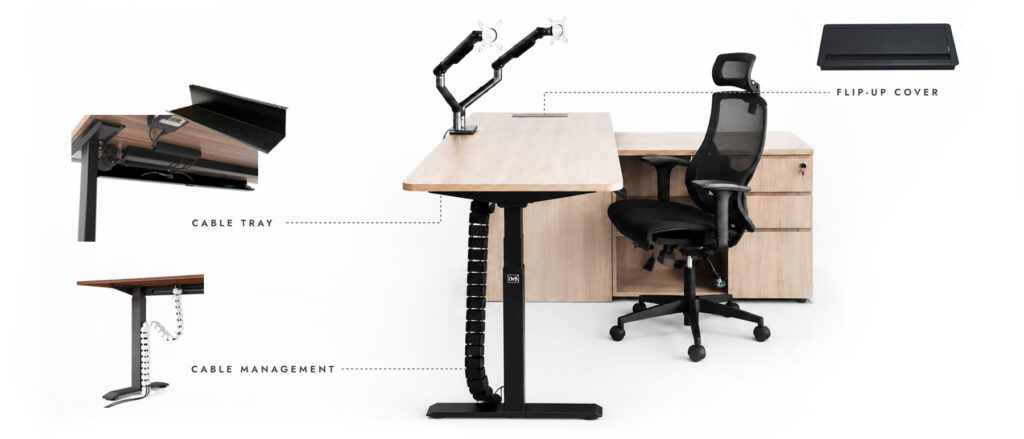
Decluttering is an excellent first step, but maintaining an organized workspace becomes much easier when the furniture itself is designed to support good work habits. Rather than relying solely on frequent cleaning, ergonomic furniture and thoughtfully designed desktop accessories help create a workspace that naturally stays organized.

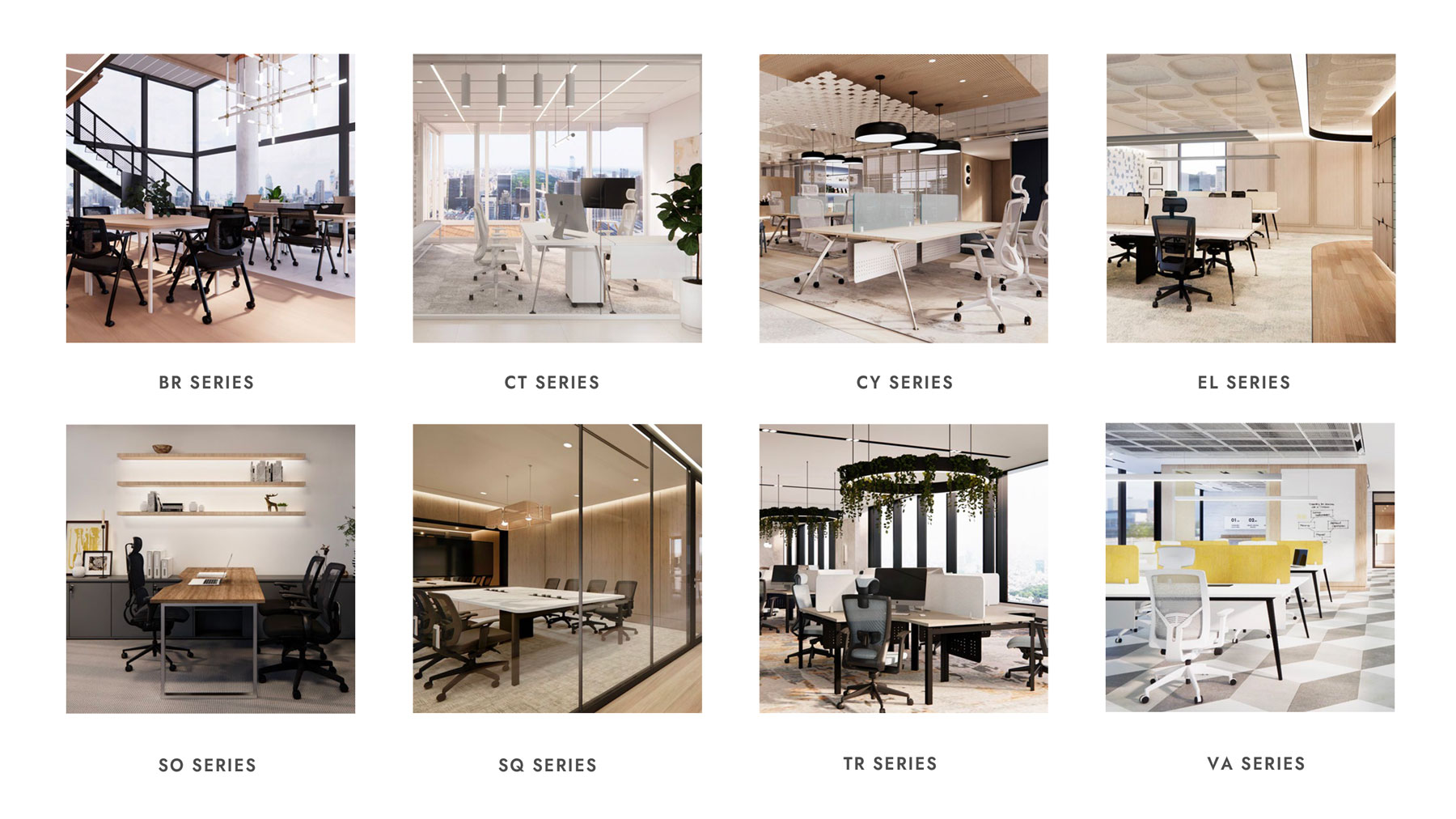
At DVS, we believe that great work starts with great workspace design. Introducing our desking series – thoughtfully designed workspace solutions that bring together organisation, functionality and ergonomics, allowing you to spend less time managing your environment and more time doing your best work.

Height-Adjustable Ergonomic Table: A Smarter Foundation
A well-designed desk forms the foundation of an organized workspace. 

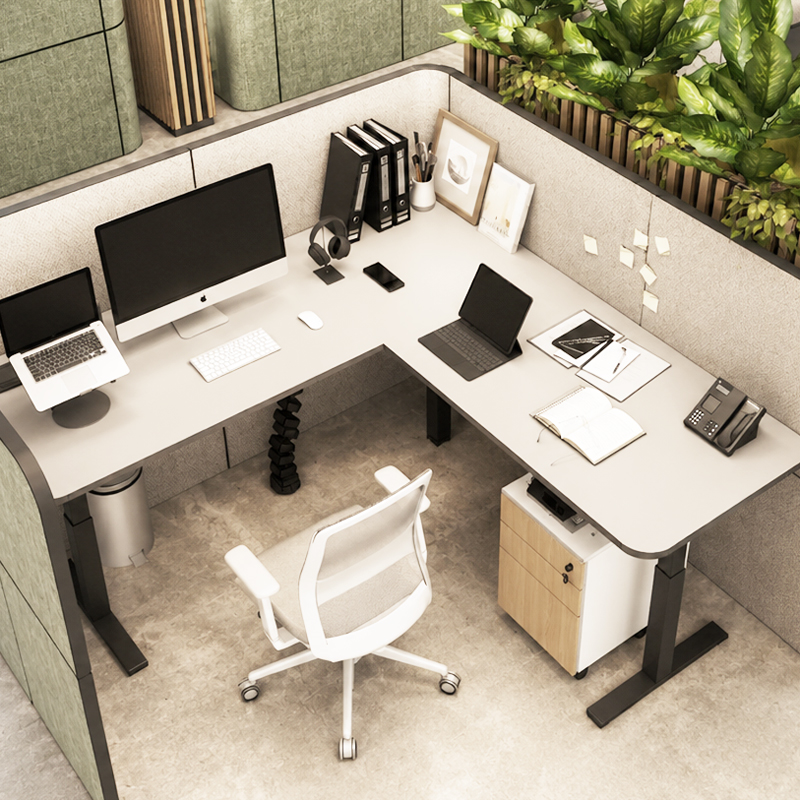
A spacious, well-designed desk provides dedicated zones for your monitor, keyboard, documents and accessories, reducing visual clutter and improving workflow. For greater flexibility, height-adjustable ergonomic tables allow you to alternate between sitting and standing throughout the day to reduce prolonged sitting and improve workplace comfort [5].

Ergonomic Office Desk Chair: Comfort Supports Productivity
Mental performance is closely linked to physical comfort.

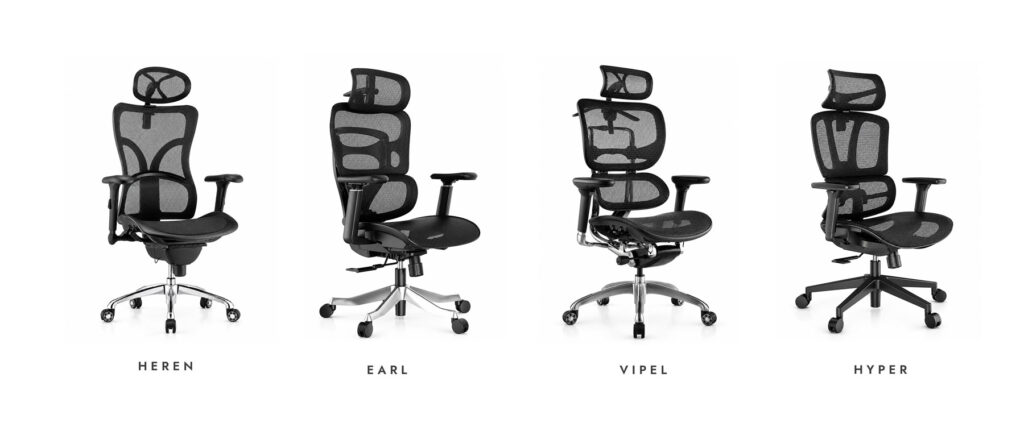
An ergonomic office desk chair supports the natural curve of your spine while providing adjustable lumbar support, armrests and seat height. A better poster reduces strain on the neck, shoulders and lower back, allowing you to stay comfortable and focused during long working hours.

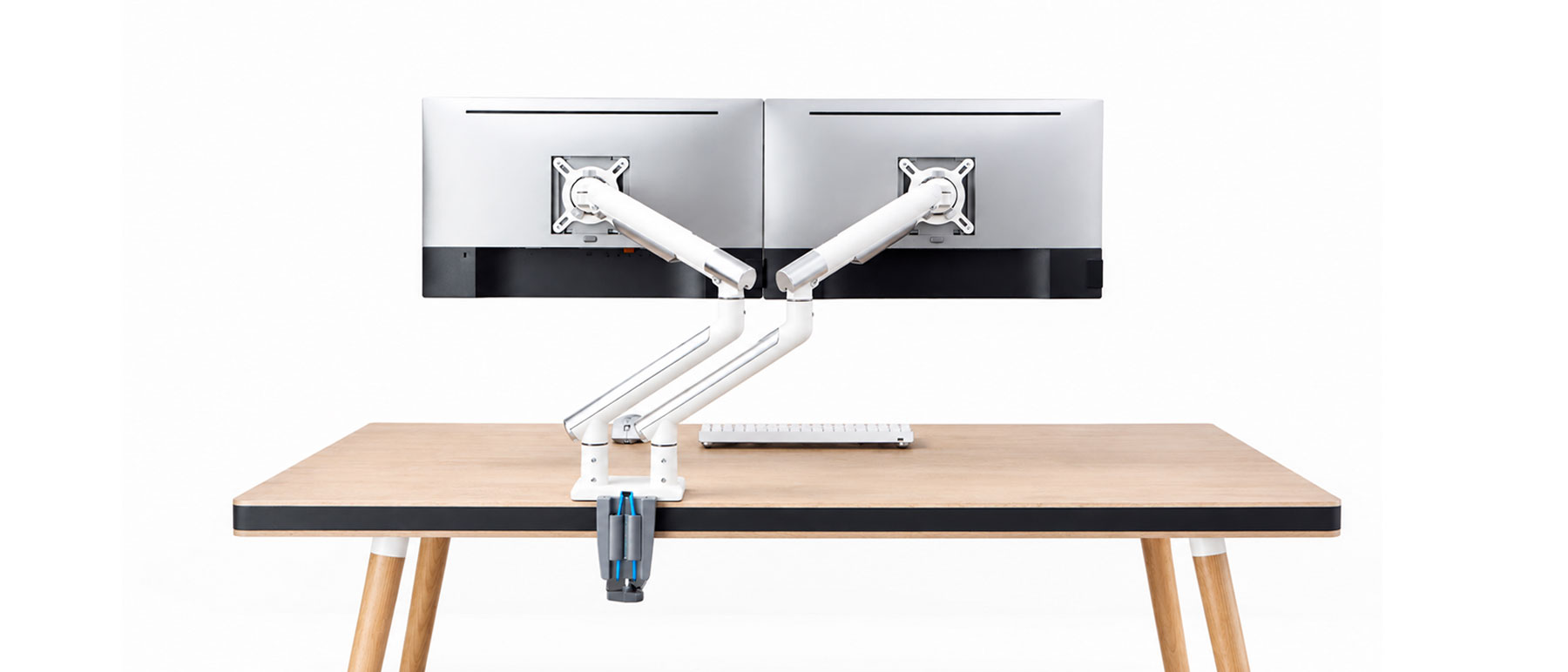
Monitor Arms: Create More Space, Better Ergonomics
Monitor arms are one of the simplest ways to improve both organization and ergonomics.

By elevating your monitor to eye level, they promote better posture while freeing up valuable desktop space underneath for keyboards, notebooks or other essentials. A cleaner desktop also reduces visual clutter, making your workspace feel more open and organized [1].

Cable Organizer: Small Detail, Big Difference
Loose cables are often overlooked, but they are one of the biggest contributors to visual clutter.

The Bottom Line

A tidy desk is not simply about aesthetics — it is about creating an environment where your brain can focus on meaningful work instead of unnecessary distractions. Research from neuroscience, environmental psychology and ergonomics suggests that reducing visual clutter can support better concentration, greater comfort and a more productive workday [1-5].

With the right workspace habits and the right furniture, you can create a workspace that looks good, feels comfortable and helps you perform at your best.

[1] McMains SA, Kastner S. Interactions of top-down and bottom-up mechanisms in human visual cortex. Journal of Neuroscience. 2011;31(2):587–597.

[2] Sweller J. Cognitive Load Theory. Psychology of Learning and Motivation. 2011;55:37–76.

[3] Saxbe DE, Repetti RL. No Place Like Home: Home Tours Correlate with Daily Patterns of Mood and Cortisol. Personality and Social Psychology Bulletin. 2010;36(1):71–81.

[4] Chae BG, Zhu R. Environmental Disorder Leads to Self-Regulatory Failure. Journal of Consumer Research. 2014;40(6):1203–1218.

[5] Shrestha N, Kukkonen-Harjula KT, Verbeek JH, et al. Workplace interventions for reducing sitting at work. Cochrane Database of Systematic Reviews. 2018;(6):CD010912.